


social norms

When Influence Backfires

A review of 80 studies (1982–2024) reveals that influence strategies work best when tailored to personality. Influence strategies that match a person’s individual personality are significantly more effective than one-size-fits-all approaches. Even more interestingly, mismatched strategies can backfire! That means you shouldn’t apply influence strategies unless you have a solid understanding of your target group's personality. We provide a practical overview of Cialdini’s most effective strategies for each of the Big Five personality traits.

How Well Do Nudges Work?

The research literature on nudge effectiveness is growing. 2022 started with a new PNAS article reporting a meta analysis of 455 effect sizes from 214 publications. Here's a short summary.   

When Red Means “Go”: Color and Cultural Reactance in Risk Preferences

Color can affect judgment and decision making, and its effects may vary across cultures. Research reported in this article shows that cross-cultural color effects on risk preferences are influenced by personal associations of color-gain/loss. Our research finds a cultural reactance effect, a phenomenon in which people who hold culturally incongruent (vs. cultural mainstream) color associations show a stronger risk preference.

Honest Mistake or Perhaps Not: How Social Norms Influence Dishonest Behavior

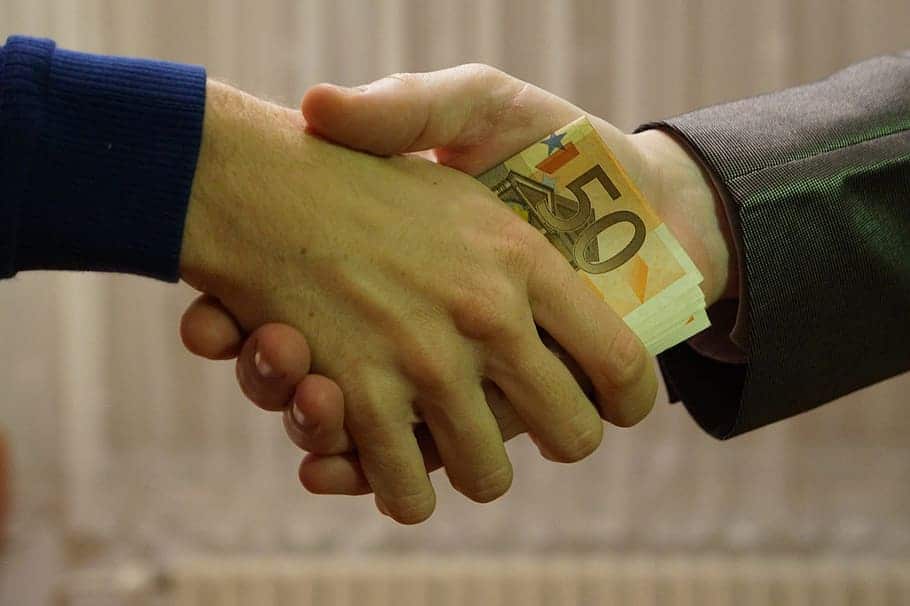
Minor acts of dishonesty that range from cheating on one’s taxes to petty institutional corruption are very prevalent in everyday life social settings. How others behave in these settings or what they believe is the proper course of action may lead to minor or major acts of dishonesty. Our research finds that exposure to increased peer cheating promoted major dishonesty, while the presence of rule reminders reduced minor acts of dishonesty without influencing major dishonesty.

Sports in the Service of Economics

An increasing number of academic studies have used sports data to investigate economic behavior. Sports data are not only readily available, they also provide an excellent laboratory to study human behavior in real competitive environments. In this article, I will present several examples of my own work that have used sports data to explain fundamental economic theories, as well as articles that showed divergences of economic decision making from neo-classical theories.

My Savings Buffer Is More Than Yours

It is no secret that too few households save for a rainy day and this financial planning problem is a difficult habit to break. Would knowing your neighbours’ savings balance encourage you to save more?

Behavioral Economist, Behave Yourself

Using cognitive mechanisms (commitment, loss aversion, social norms and suchlike), I hacked myself to boost my motivation for exercise and healthy habits, get in shape and lose 15 kilos (33 pounds)… all in a record six months.

When Awards Backfire

People use awards to incentivize positive behaviors all the time. Our research shows that, in some contexts, awards do not work and can even demotivate the target behavior. We find that awards might send unintended signals to recipients about the social norms and institutional expectations for the target behavior. Organizations and leaders considering using awards should know that awards can have more complicated consequences that might be intuitively expected.

What Volkswagen Should Do Next

By Timothy Gohmann   Image Credit: Chad Kainz (flickr) Volkswagen Group AG has admitted to gaming U.S. Environmental Protection Agency diesel-emission control testing affecting some 2 million vehicles worldwide. As a result, Volkswagen has replaced its CEO, Martin Winterkorn, with former Porsche CEO, Matthias Mueller, continues to run TV ads for its non-diesel vehicles and [...]

Behavioral Economics and Healthcare: A Match Made in Heaven

By Benjamin Voyer   Out of all the areas of public life that can benefit from the applications of behavioural economics (BE) principles, healthcare is probably the one where it can make the biggest societal contribution. There are two main reasons why the healthcare industry should welcome (more!) BE insights. The first reason is that many [...]

Go to Top