


Behavioral Theory & Insights

How the Science of Storytelling Can Drive Behavior

Research suggests that human beings have a natural tendency towards seeing deeper meaning in ordinary things. We don’t just appreciate an object’s physical features, we also perceive its deeper, hidden meaning; its soul. This is especially true when it comes to products. The perceived "soul" of a product deeply impacts how a consumer values it. Marketers can directly craft the deeper meaning of their products through clever storytelling.

Enjoyable Emotions for Self-Improvement and Behavior Change

Enjoyable emotions such as gratitude, pride, inspiration, or nostalgia can motivate people to behave in positive ways triggering positive appraisals of events or situations. These appraisals might translate into positive behaviors, such as cooperation, adaptiveness, or even persistence toward a goal. This article discusses the benefits of enjoyable emotions and how their power can be leveraged to promote behavior change.

The Internet of Things: A Landmark Technology for Behavior Change?

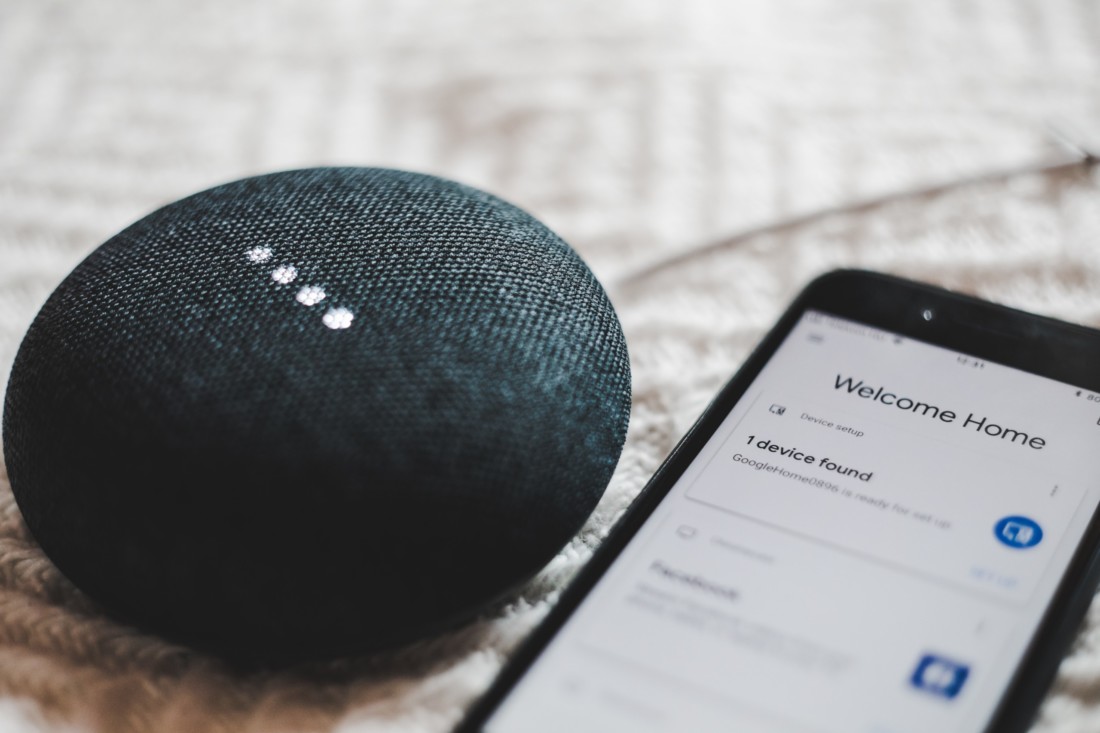
Internet of Things (IoT) devices such as smart watches, smart energy meters, and telematics devices have great potential for changing risky behaviors. These devices collect data about behaviors and replay it to consumers to inspire action. But there are considerations for behavioral scientists if this technology is going to be successful as a behavior change tool. This article discusses three considerations and how behavioral scientists can help to unlock the behavior change potential of IoT.

Make or Break: The Behavioral Science of Innovation

Successful innovation requires far more than a market gap, a visionary, funding, and new technology. Innovation is a behavioral process from start to finish. It relies on the decision-making processes and behaviors of both producers and consumers, as well as the surrounding support system. Behavioral science, the science of how we make decisions, has invaluable practical insights for innovation on all fronts.

A Practitioner’s Guide to Leveraging Behavioral Insights

Many behavioral interventions offer win-wins to firms, governments, and other stakeholders. However, research has shown that experts do a poor job predicting the effectiveness of behavioral interventions. This article aims to help calibrate forecasts of an intervention's effectiveness. I outline six steps to help assess whether a published effect is likely to be useful in practice.

More Conversions With Social Media Targeting: Lessons From Behavioral Biology

Targeting the right customers with the right message is one of the most established strategic goals in marketing. However, traditional approaches to targeting can often end up being ineffective and sometimes even harmful to brands. In this article, we discuss a framework for social media targeting based on insights from behavioral biology.

The Psychology of Debt Collection

More and more people struggle with debt, and while people differ in their motivations, preferences, and their reasons not to pay, debt collection practices rarely take these factors into account. Using psychological insights, debt collection can be made more debtor-friendly and effective. The results: increased repayments for companies and a lower financial burden for consumers.

Empathizing With Future Selves

We’re generally poor at predicting how events will impact future states of happiness. And yet, if we’re going to make good decisions in the present, we need to empathize with our future selves at some level. How can we reconcile this? The answer may lie with art, visualization, and social cognition.

Behavioral Segmentation in Marketing: How to Increase Conversions

Market segmentation is a valuable strategic tool in marketing. How to properly do segmentation is, however, not widely known. In this article, I lay out the principles of segmentation and provide a step-by-step guide.

Transparency: A Tool to Build Election Trust

Trust in government and election confidence rates have continued to decline in the US. Research indicates that employing operational transparency could be a potential solution. Using these insights, we tested how transparency prompts impact trust in the mail-in voting election process. Higher-level transparency regarding the mail-in voting process was most effective and can be easily scaled by election administration to build trust in these processes.

Go to Top