

preferences

How Biology Helps Shape Choice in Behavioral Economics

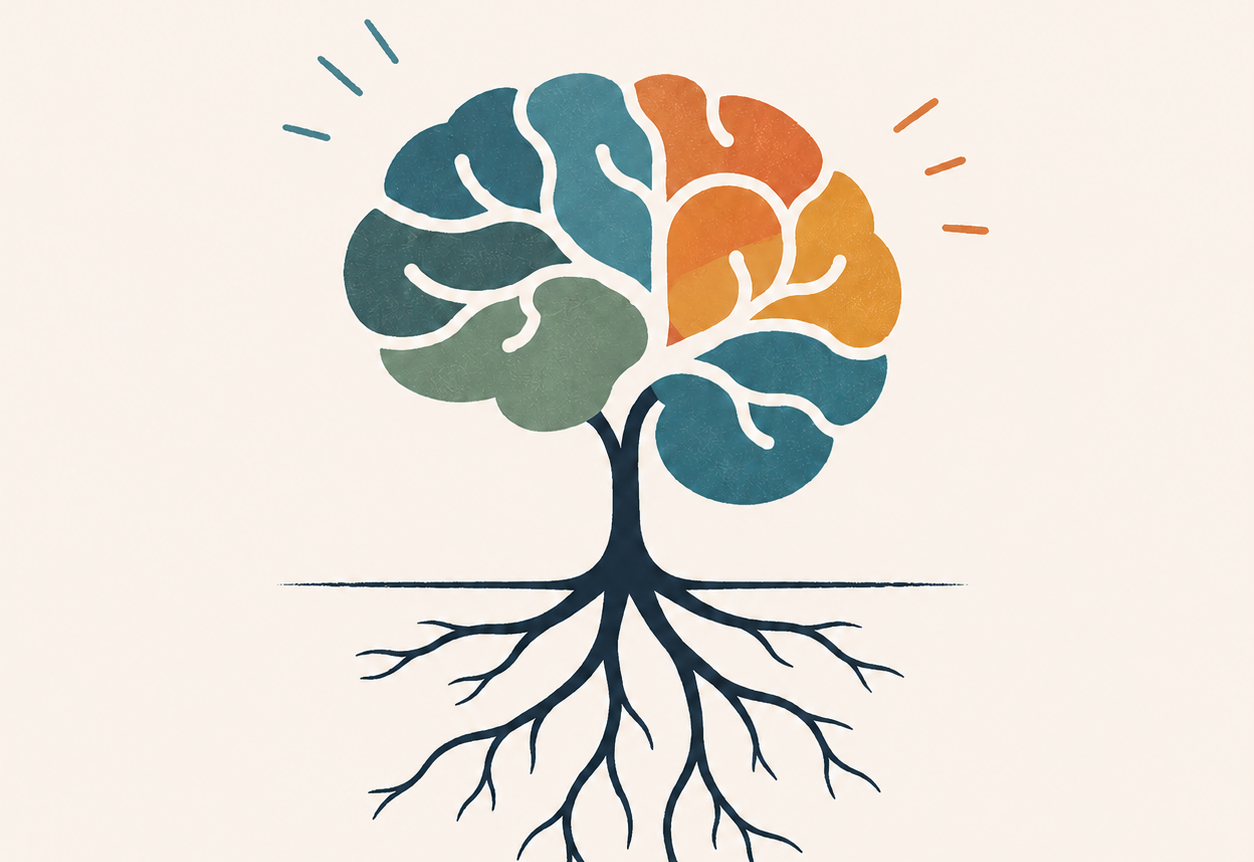
Behavioral economics is increasingly recognizing that personal experiences and biology play a major role in shaping decision-making. Research shows that life experiences can influence beliefs and choices long after events occur, even among experts. This perspective suggests that behavior is shaped not only by information and incentives but also by emotions, development, and lived experience.

Exerting Self-Control ≠ Sacrificing Pleasure

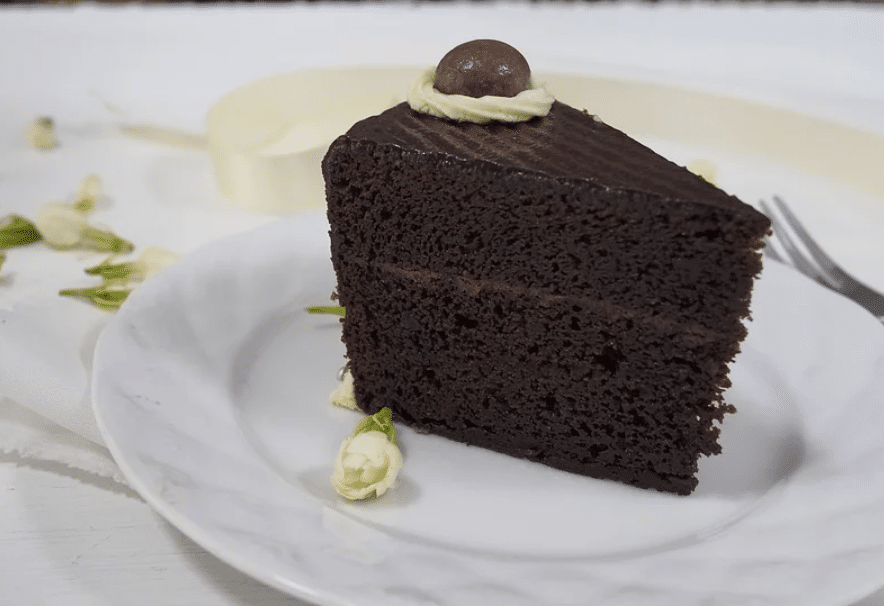
In the typical self-control experiment, participants are given a choice between a hedonic vice-food (e.g., chocolate) and a utilitarian virtue-food (e.g., fruit). Choosing the hedonic vice is interpreted as a self-control failure. We argue that self-control failures are better captured as choices that violate one’s long-term goals and induce regret. Accordingly, the consumption of hedonic food is not necessarily a self-control failure, and self-control does not necessarily entail a trade-off between pleasure and health. Our conceptualization has far-reaching consequences for consumers and policy-makers who try to help consumers exert self-control.

The Artist Is Present

Emerging insights on “temporal contagion” explain the unusual contours of limited-edition markets.

Go to Top