




Anchors Aweigh! How Early Perceptual Information Biases Subsequent Judgments
Anchoring and adjustment, a ubiquitous heuristic process in judgment and decision making, has been vastly demonstrated in the numerical domain. With the help of four studies, we demonstrate the anchoring and adjustment bias in perceptual domains. Additionally, we outline a process of perceptual anchoring and provide a way for a potential resolution to the disagreement among different process accounts for the anchoring phenomenon.

Biased by Design? Motivated Reasoning by Politicians vs. the Public
Governments around the world proclaim their interest in evidence-based policymaking. However, before evidence can affect policies, it needs to be used by human decision-makers. New research shows that politicians, like their voters, are subject to psychological biases, leading them to misinterpret policy information if it challenges their existing attitudes and beliefs. Moreover, they are more resistant to efforts to reduce those biases, and more likely to double down on their political beliefs even when at odds with the evidence at hand.
Black Magic: How Product Colors Influence Prosocial Behaviors
There are “moral meanings” that people ascribe to objects in white and black colors. We show that consumers see buying a product in white color as an act that is morally good and buying a product in black color as an act that is morally bad. Those who buy white-colored products feel licensed to behave less prosocially afterward, while those who buy black-colored products are more prosocial as they feel a need to compensate for their initial misconduct.

Budget Depreciation: When Budgeting Early Increases Spending
Budgeting in advance is a good practice to control spending. Research reported in this article, however, shows that budgeting too early for a specific purchase may increase spending. This is due to what the authors term 'budget depreciation', a process in which consumers adapt to the reference point set by the budget, lower their pain-of-payment from the budgeted amount, and increase their willingness-to-spend.

Honest Mistake or Perhaps Not: How Social Norms Influence Dishonest Behavior
Minor acts of dishonesty that range from cheating on one’s taxes to petty institutional corruption are very prevalent in everyday life social settings. How others behave in these settings or what they believe is the proper course of action may lead to minor or major acts of dishonesty. Our research finds that exposure to increased peer cheating promoted major dishonesty, while the presence of rule reminders reduced minor acts of dishonesty without influencing major dishonesty.



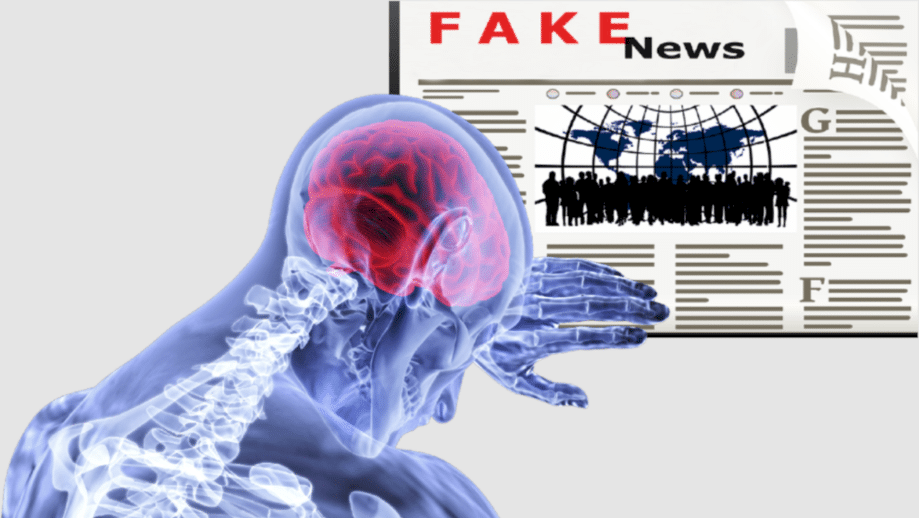
Fake News, False Memories and Flawed Decisions: A Behavioural Solution
At first glance, fake news and false memories appear to be separate phenomena. But they have much in common as dangerous sources of misinformation. This article argues that fake news generates false memories, which in turn leads to flawed decision-making. Ignoring this interplay amplifies risk for individuals, businesses and policymakers who rely on information accuracy. Behavioural science techniques can nudge decision-makers towards more proactive critical thinking and self-checking to minimise this predictable and avoidable error.